Ceramic Coating for Cars: Paint Protection Guide
More Gloss. Easier Cleaning. Better Paint Protection.
Ceramic coatings have become one of the most talked-about ways to protect automotive paint. But what do they really do, how long can they last, and are they worth the extra preparation compared with traditional wax?
See the Benefits ↓What Is Ceramic Coating?
Automotive ceramic coating is a liquid paint protectant designed to bond with a vehicle's exterior surface and leave behind a durable, water-repelling layer. Many consumer coatings use silicon dioxide, often referred to as SiO₂, as part of their formulation.
Unlike a traditional wax that sits on the surface and gradually wears away, a properly applied ceramic coating is intended to create a longer-lasting protective layer. The result can be deeper gloss, strong water beading and a surface that is easier to keep clean.
The key phrase, however, is properly applied. Ceramic coating is not a shortcut around paint preparation. The condition of the paint before coating has a major influence on the finished result.
What Ceramic Coating Can Do
A good coating isn't an invisible force field, but it can add several useful characteristics to properly prepared automotive paint.
💧 Water Repellency
Hydrophobic properties encourage water to bead and roll away from the coated surface.
✨ Enhanced Gloss
Well-prepared paint can gain a slick, glossy appearance that helps emphasize depth and reflections.
🧽 Easier Washing
Dirt and road grime may have a harder time clinging to a coated surface, making routine cleaning easier.
☀️ Environmental Barrier
A coating adds another layer between the vehicle's clear coat and everyday environmental contamination.
🚗 Longer Protection
Depending on the product, preparation, application and maintenance, ceramic protection can outlast many conventional waxes.
👍 Less Frequent Waxing
A properly maintained coating can reduce the need to repeatedly apply traditional wax for basic paint protection.
What Ceramic Coating Does NOT Do
Ceramic coating does not make paint scratch-proof, chip-proof or maintenance-free. Rocks can still chip paint. Improper washing can still create swirls. Water spots can still occur. Bird droppings, bug residue and other contamination should still be removed promptly.
Think of ceramic coating as an added protective layer—not armor for your car.
Ceramic Coating vs. Wax vs. Sealant
All three can play a role in protecting automotive paint, but they differ in application, durability, maintenance and cost.
Traditional Wax
Popular for shine and ease of use. Wax is generally straightforward to apply but usually requires more frequent reapplication than a ceramic coating.
Paint Sealant
Synthetic sealants are designed to provide durable paint protection and can offer a useful middle ground between conventional wax and more involved ceramic products.
Ceramic Coating
Usually requires more preparation and careful application but can provide longer-lasting hydrophobic protection when correctly installed and maintained.
Paint Preparation Is the Most Important Part
Applying a coating over dirty, contaminated or badly swirled paint can lock those defects underneath the coating. Good preparation is what separates a quick coating job from a professional-looking result.
Thoroughly Wash the Vehicle
Remove loose dirt, road film and grime with proper automotive washing products and clean wash media.
Decontaminate the Paint
Embedded contaminants such as industrial fallout, brake dust and bonded debris may require chemical or mechanical decontamination.
Correct Paint Defects When Needed
Swirls, oxidation and light defects may benefit from polishing before coating. A coating won't magically hide poor paint.
Prepare the Surface
The paint should be clean and free of polishing oils or residue according to the coating manufacturer's instructions.
Apply and Level the Coating
Work in manageable sections and follow the specific product directions for application, flash time and removal of excess material.
Allow Proper Curing
Avoid exposing a freshly coated vehicle to conditions the manufacturer says to avoid during the initial curing period.
DIY Ceramic Coating or Professional Installation?
Either route can make sense. The better choice depends on your experience, expectations, paint condition, workspace and budget.
🔧 DIY Ceramic Coating
DIY coatings can be attractive to owners who enjoy detailing and are comfortable carefully preparing the paint. The product itself may be only part of the job—washing, decontamination and paint correction can take considerably more time than applying the coating.
Read the instructions for the exact coating you're using rather than assuming every product applies or cures the same way.
✨ Professional Coating
A professional detailer can inspect the paint, perform correction when needed and apply the coating in a controlled environment. That can be especially valuable on dark paint, collectible vehicles or cars with significant swirl marks and imperfections.
When comparing quotes, ask what paint preparation and correction are included—not just which coating is being applied.
How to Maintain Ceramic-Coated Paint
Ceramic coating can make maintenance easier, but coated vehicles still need to be washed and cared for. Good washing habits can help preserve both the coating and the paint underneath it.
- Wash regularly rather than allowing heavy dirt and contamination to remain on the paint.
- Use clean, paint-safe wash mitts and microfiber towels.
- Avoid harsh household detergents unless the coating manufacturer specifically recommends them.
- Remove bird droppings, bugs and other aggressive contamination promptly.
- Use coating-compatible maintenance products when recommended.
- Don't assume strong water beading means the vehicle no longer needs proper washing.
- Follow the coating manufacturer's maintenance recommendations for the specific product used.
How Long Does Ceramic Coating Last?
There isn't one honest lifespan that applies to every ceramic coating. Product formulation, number of layers, surface preparation, application quality, weather exposure, mileage, washing habits and whether the vehicle is garaged can all affect durability.
That's why extremely specific longevity claims should be viewed in context. A coating advertised for several years still depends on correct preparation, application and maintenance to perform as intended.
CarDudes Tip
Don't choose a coating based only on the biggest hardness number or longest advertised lifespan. Look at the complete system: preparation, application difficulty, curing requirements, maintenance and the manufacturer's instructions.
Common Ceramic Coating Mistakes
Skipping Paint Preparation
Applying a premium coating over poorly prepared paint can produce disappointing results.
Applying Too Much Product
More isn't automatically better. Excess coating can make leveling more difficult and contribute to an uneven finish.
Missing High Spots
Improper leveling can leave visible patches or streaks after the coating begins to cure.
Ignoring Cure Instructions
Exposing the coating to moisture or washing too soon may interfere with the manufacturer's intended curing process.
Expecting Scratch-Proof Paint
Ceramic protection does not replace careful washing or protect against every physical impact.
Stopping Maintenance
Even a coated vehicle needs routine cleaning and proper paint-care techniques.
More Car Care from CarDudes
Protecting your paint is only one part of taking good care of your vehicle. Keep going with these CarDudes guides.
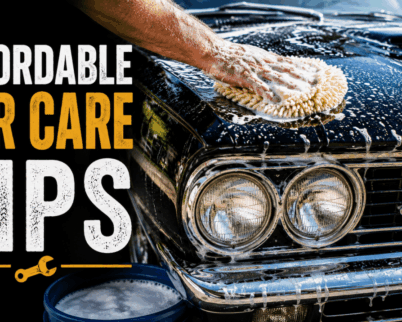
Affordable Car Care Tips
Practical maintenance ideas that can help you take better care of your vehicle without overspending.
See the Car Care Tips →Car Floor Mats
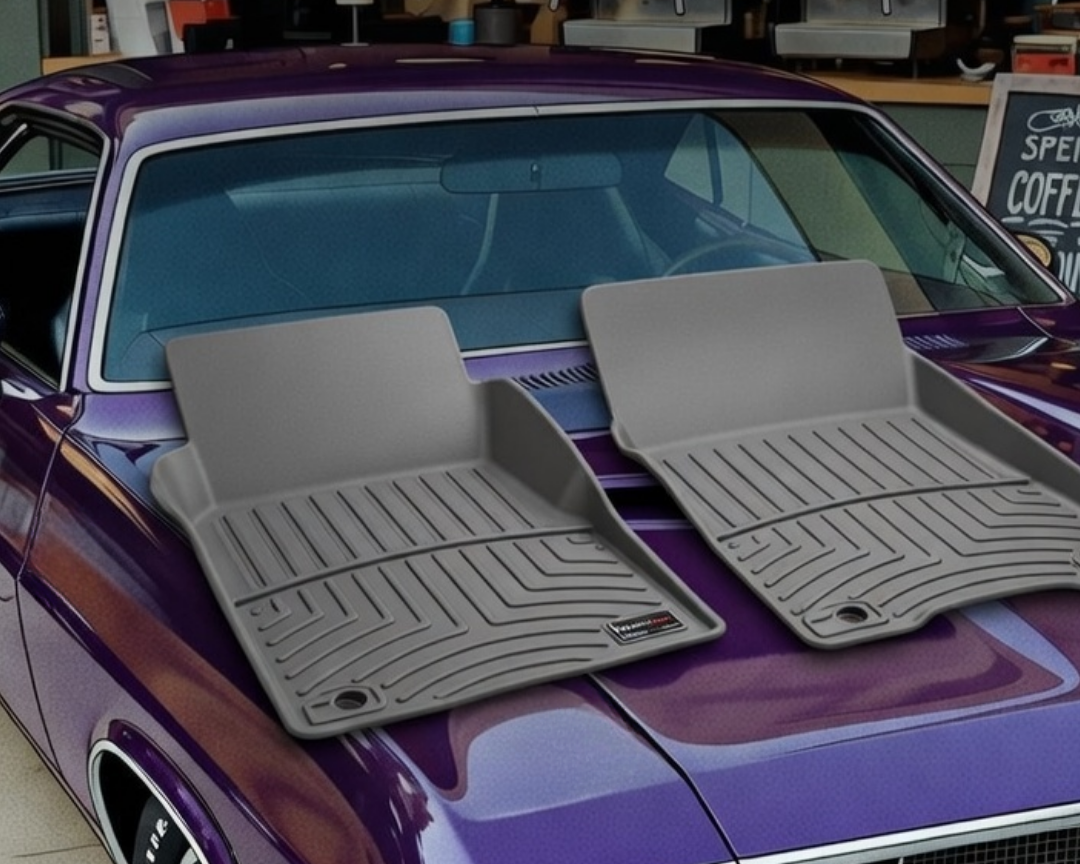
Compare custom-fit and universal floor mats for protecting the inside of your vehicle.
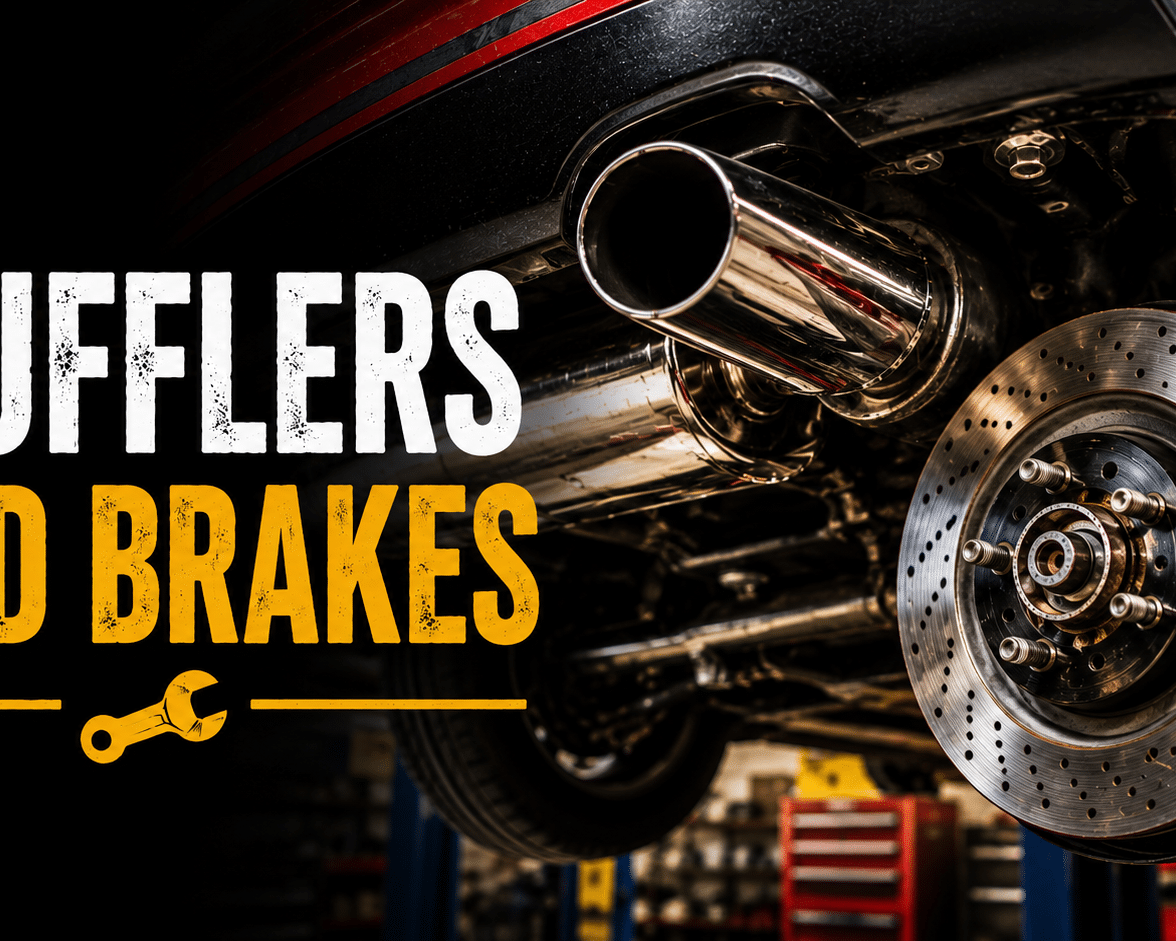
Compare Car Floor Mats →Mufflers and Brakes
Learn the warning signs of brake and exhaust problems and when your vehicle deserves a closer inspection.
Read the Maintenance Guide →Keep Cruisin' with CarDudes
From keeping your daily driver looking sharp to classic cars, horsepower and practical ownership tips, CarDudes is built for people who simply enjoy cars.
Visit CarDudes Nation →