Car Safety Kit: Essential Gear for Roadside Emergencies
The Best Emergency Kit Is the One You Have Before You Need It
A dead battery, flat tire, winter storm or unexpected roadside
stop can turn an ordinary drive into a problem fast. A
well-planned car safety kit gives you basic tools and supplies
to handle common emergencies while you wait for help or get
safely back on the road.
You don't need to carry half a garage in your trunk. A useful
car safety kit starts with dependable basics: equipment for a
weak battery, tire trouble, minor injuries, poor visibility
and situations where you may have to wait for assistance.
Then add items that make sense for your climate, vehicle and
the way you drive.
Essential Items for a Practical Car Safety Kit
Start with the equipment most likely to help during common
roadside problems. From there, customize your kit for your
vehicle and driving conditions.
1
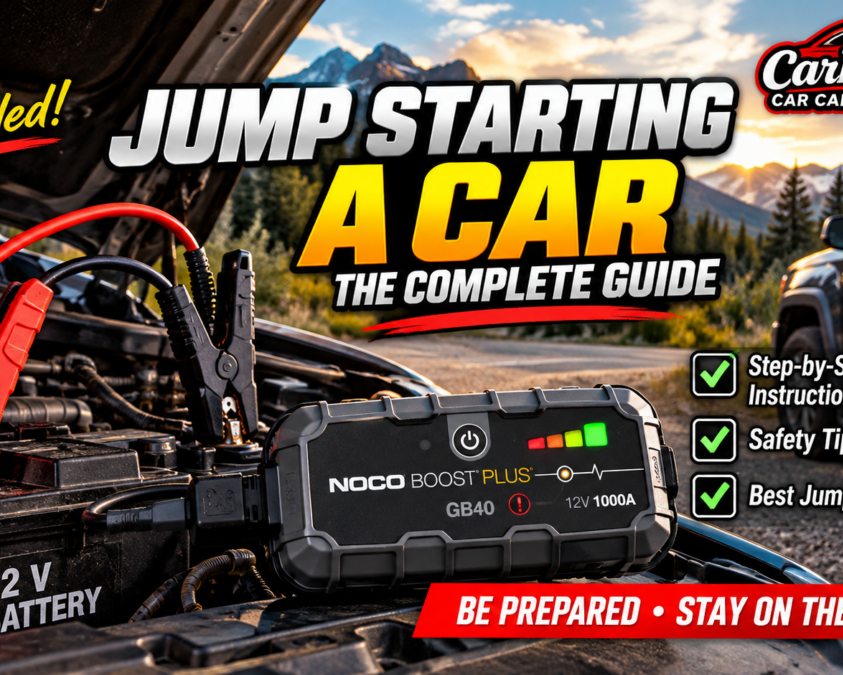
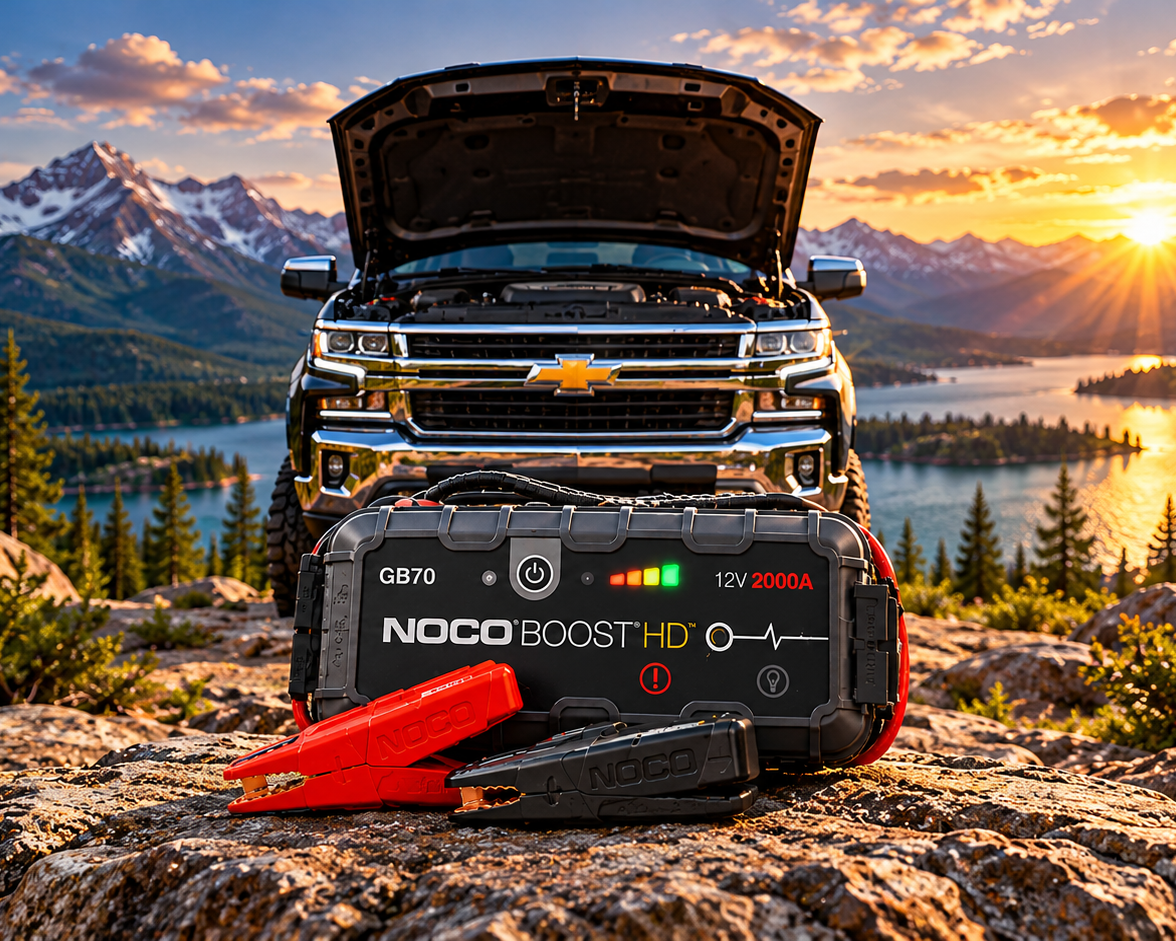
Jumper Cables or Jump Starter
A weak or dead battery is one of the most common reasons
a vehicle won't start. Carry quality jumper cables or a
properly maintained portable jump starter.
2
Portable Tire Inflator
A compact air compressor can help restore tire pressure
after a slow leak or pressure loss and may help you reach
a safe location for proper repair.
3
First Aid Kit
Keep basic first aid supplies available for minor cuts,
scrapes and other small injuries until professional
medical help is available when needed.
4
Flashlight & Spare Power
A dependable flashlight is valuable for checking a tire,
looking under the hood or making yourself more visible
after dark.
5
Reflective Warning Gear
Reflective triangles, a reflective vest or emergency
warning lights can make you and your stopped vehicle
easier for other drivers to see.
6
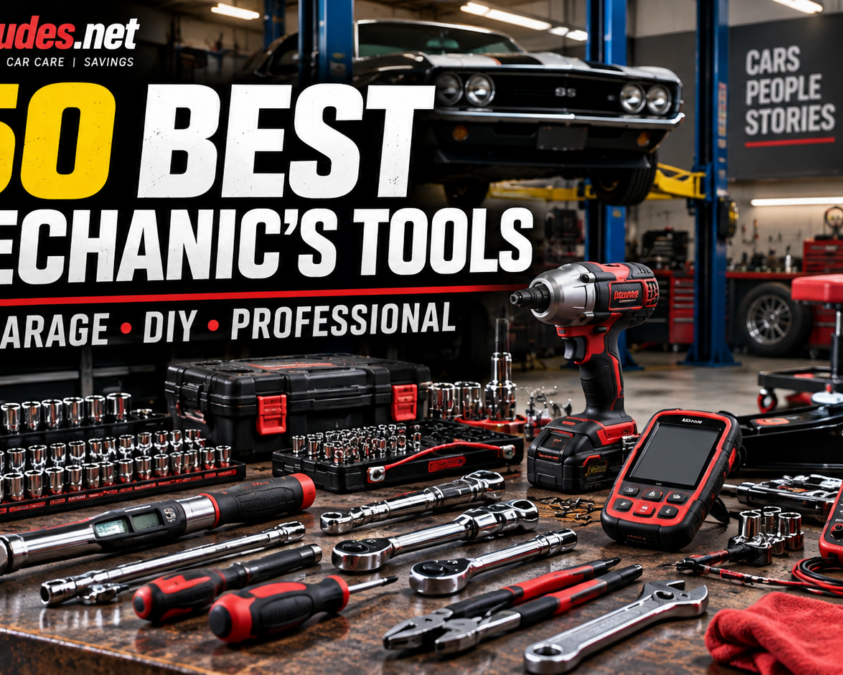
Basic Tools & Supplies
Work gloves, a multi-tool, shop towels, duct tape and a
few basic hand tools can be useful for minor roadside
situations.
CarDudes Roadside Safety Checklist
A good kit doesn't have to be complicated. These are practical
categories to cover before you hit the road.
✓ Battery:
jumper cables or portable jump starter
✓ Tires:
inflator, pressure gauge and vehicle tire tools
✓ Visibility:
flashlight and reflective warning gear
✓ First Aid:
basic first aid supplies
✓ Protection:
gloves, rain protection and warm clothing when appropriate
✓ Essentials:
water and a phone charging option
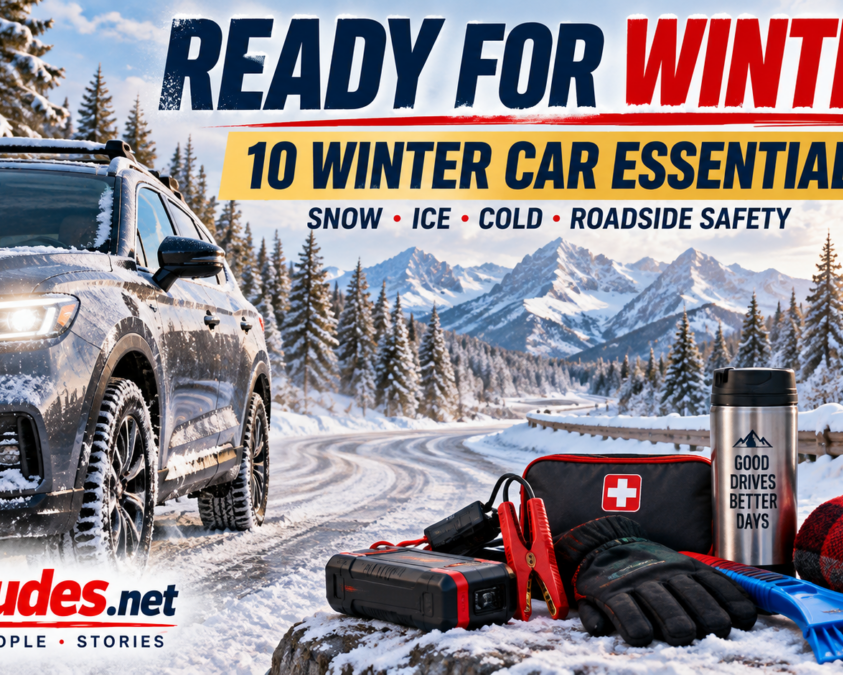
Don't Forget Winter Emergency Gear
Drivers who deal with snow, ice and freezing temperatures should
expand the basic kit before winter arrives.
Cold-Weather Additions Worth Carrying
Consider adding an ice scraper, snow brush, warm gloves, hat,
blanket, extra clothing and other supplies appropriate for the
temperatures and roads where you travel.
If winter conditions are severe, think beyond getting the car
started. Ask what you would need to remain reasonably safe
and visible if you had to wait for assistance.
Build the Kit Around How You Drive
There's no single perfect emergency kit for every driver. Your
vehicle, passengers, climate and normal travel distance should
help determine what belongs in yours.
Daily Commuter
Focus on battery help, tire inflation, visibility, first
aid and basic supplies for the problems most likely to
interrupt an everyday drive.
Road Trip Vehicle
Add drinking water, charging options and supplies
appropriate for longer distances where help, fuel or
services may not be nearby.
Family Vehicle
Consider the needs of everyone riding with you, including
additional water, blankets and other age-appropriate
essentials.
Winter Driver
Add cold-weather clothing, ice and snow equipment and
supplies that can help if winter weather leaves you
waiting longer than expected.
Older or Classic Vehicle
Older vehicles may justify carrying additional basic
tools, spare fuses and vehicle-specific supplies you know
how to use safely.
Work Truck or SUV
Match the kit to where the vehicle travels. Rural roads,
jobsites and remote areas can call for more preparation
than ordinary city driving.
A Safety Kit Isn't “Pack It and Forget It”
Emergency equipment only helps when it's usable, charged and easy
to reach when you need it.
Check It Regularly
Inspect batteries, lights, first aid supplies and other
time-sensitive items periodically. Recharge electronic
equipment and replace expired or damaged supplies.
Store It Securely
Keep emergency equipment organized and secured so heavy
tools or other objects don't become loose projectiles
during sudden braking or a collision.
CarDudes Safety Tip:
Your first priority during a breakdown is personal safety. If the
vehicle is in a dangerous location, traffic is heavy, weather is
severe or a repair is beyond your experience, getting professional
roadside or emergency assistance may be the safest choice.
More Car Care & Savings from CarDudes
A little preparation can make everyday vehicle ownership easier.
Here are more CarDudes resources worth checking out.
Affordable Car Care Tips
Practical ways to take better care of your vehicle without
turning every job into a major expense.