Buying a Used Car: 12 Things to Check Before You Buy
Inspect It. Drive It. Research It. Then Decide.
A used car can be a great value, but the wrong one can become an expensive headache. Before handing over your money, slow down and check the vehicle from bumper to bumper.
Start the 12-Point Check ↓Don't Buy the Shine—Buy the Condition
Fresh wax, clean tires and a spotless interior can make almost any used car look impressive. What matters more is what's underneath: maintenance history, mechanical condition, accident history, tires, brakes, electronics and how the vehicle behaves on the road.
Mileage and age are useful clues, but neither tells the entire story. A well-maintained higher-mileage vehicle may be a better buy than a lower-mileage vehicle that was neglected.
The goal isn't to find a used car with absolutely nothing wrong with it. The goal is to understand what you're buying before you agree on the price.
Used Car Quick Checklist
12 Things to Check When Buying a Used Car
Work through these checks before making your final decision. A little extra time before the purchase can help uncover problems that aren't obvious from an ad or a quick walk around the lot.
Set Your Real Budget
Don't look only at the advertised price. Think about taxes, registration, insurance, financing costs and repairs or maintenance the vehicle may need shortly after purchase.
Leaving some room in your budget for tires, brakes, fluids or other catch-up maintenance can make used-car ownership much easier.
Research the Make, Model and Year
Before seeing the vehicle, research the particular model and model year. Look for common maintenance requirements, recalls, ownership costs and known problem areas.
Compare similar vehicles so you understand the general price range before negotiating.
Check the VIN and Vehicle History
Verify the vehicle identification number and use available records to learn about title history, reported accidents, mileage records and previous ownership information.
A history report is useful, but remember that it may not contain every accident, repair or event in the vehicle's life.
Inspect the Body and Paint
Walk around the vehicle in good lighting. Look for dents, rust, mismatched paint, unusual panel gaps, overspray and other clues that bodywork may have been performed.
Check underneath where practical for corrosion, leaks or obvious damage.
Check the Tires and Wheels
Look at tread depth, tire age and overall condition. Cracking, bulges and excessive wear can mean replacement is due.
Uneven tire wear may also point toward alignment, suspension or steering issues that deserve further inspection.
Look Under the Hood
Inspect the engine compartment for obvious leaks, damaged wiring, corrosion, loose components or signs of poor maintenance.
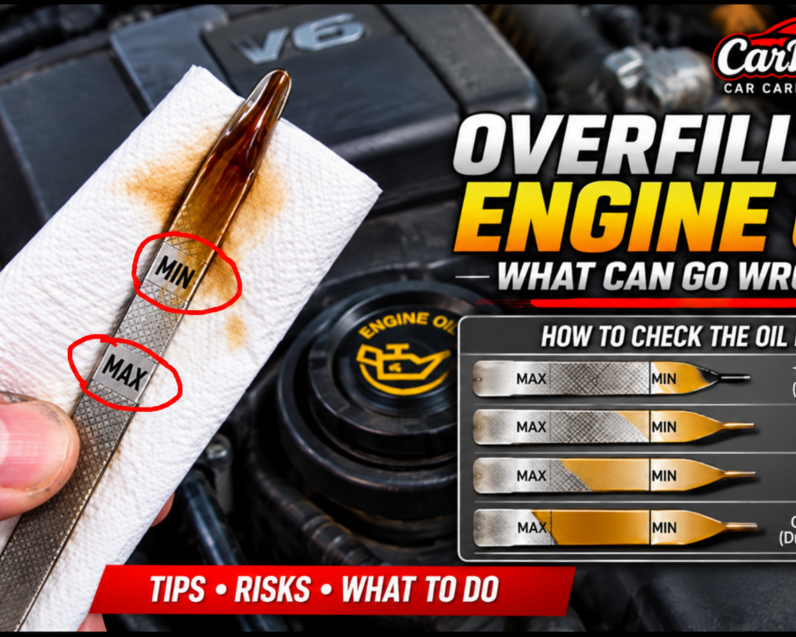
Check accessible fluid levels and condition according to the vehicle manufacturer's procedures. Don't assume a freshly cleaned engine compartment automatically means the mechanical condition is excellent.
Check the Interior and Electronics
Test the air conditioning, heater, windows, locks, lights, gauges, infotainment system, cameras and other equipment.
Look for warning lights when the ignition is switched on and make sure they behave normally after the engine starts.
Take a Real Test Drive
Don't settle for a trip around the parking lot. When conditions allow, drive at different speeds and pay attention to acceleration, shifting, braking, steering and ride quality.
Turn the radio down and listen. Unusual clunks, grinding, humming, vibration or other noises deserve investigation.
Get a Pre-Purchase Inspection
One of the strongest protections available to a used-car buyer is an inspection by a qualified independent mechanic or technician before purchase.
An inspection may reveal leaks, worn suspension components, brake problems, previous repairs or upcoming maintenance that isn't obvious during a test drive.
Verify the Title and Paperwork
Make sure the VIN on the vehicle matches the paperwork. Review the title status, seller information and other required documents before money changes hands.
If anything about ownership or title status seems unclear, resolve it before completing the transaction.
Research the Price Before Negotiating
Compare similar vehicles based on model year, trim, mileage, equipment and condition. Asking prices alone don't necessarily establish what a particular vehicle is worth.
Use needed repairs and maintenance as part of your decision when evaluating the price.
Give Yourself Permission to Walk Away
Don't let excitement or pressure turn a questionable car into a good deal in your mind. If the seller won't allow reasonable inspection, the paperwork doesn't make sense or the numbers don't work for your budget, another vehicle will come along.
Sometimes the best used-car decision is the car you decide not to buy.
Used Car Warning Signs
One issue doesn't automatically make a vehicle a bad buy, but several warning signs together are a good reason to slow down and investigate further.
⚠️ Warning Lights
Check-engine, ABS, airbag or other warning lights shouldn't simply be dismissed.
⚠️ Fluid Leaks
Fresh fluid underneath the vehicle deserves identification before you buy.
⚠️ Uneven Tire Wear
Irregular wear can point toward alignment, steering or suspension concerns.
⚠️ Mismatched Paint
Different shades, overspray or odd panel gaps can indicate previous body repairs.
⚠️ Strange Noises
Grinding, knocking, humming or clunking should be investigated rather than ignored.
⚠️ Seller Pressure
Be cautious if you're being rushed or prevented from properly inspecting the vehicle.
What to Watch for During the Test Drive
A test drive isn't just about deciding whether you like the car. It's an opportunity to see how the vehicle behaves once it's moving.
While Driving
- Smooth acceleration
- Transmission operation
- Straight steering
- Unusual vibration
- Engine noises
- Suspension noises
- Temperature gauge behavior
While Braking
- Brake pedal feel
- Squealing or grinding
- Steering-wheel vibration
- Vehicle pulling left or right
- ABS or brake warning lights
- Unusual smells
- Consistent stopping performance
Don't Skip the Independent Inspection
Even if you're comfortable around cars, getting another set of trained eyes on a used vehicle can be valuable. A pre-purchase inspection gives you more information before you're financially committed to the car.
If a seller refuses to let you have a vehicle inspected before purchase, consider that refusal when deciding whether to continue with the deal.
Look Beyond the Purchase Price
A bargain isn't much of a bargain if the car immediately needs thousands of dollars in repairs. Consider the entire ownership picture before deciding what you can comfortably spend.
Immediate Costs
Taxes, registration, insurance, dealer fees where applicable and any immediate maintenance all affect what the vehicle really costs.
Upcoming Maintenance
Tires, brakes, fluids, belts, batteries and scheduled maintenance can change the value of what initially looks like a good deal.
Long-Term Ownership
Fuel economy, insurance, maintenance needs, parts availability and expected reliability should all be part of the decision.
The CarDudes Used-Car Rule
Never become so attached to one car that you're afraid to walk away from it. A good used-car purchase should make sense after the excitement wears off, too.
Keep Going with CarDudes
Found the right car? These CarDudes guides can help with what comes next.
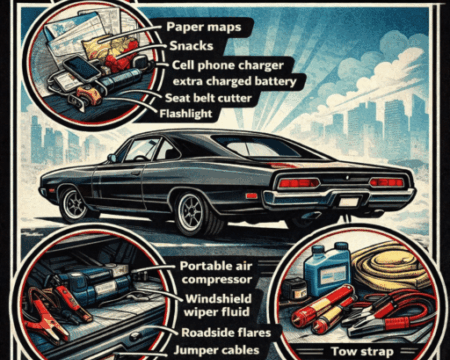
Car Safety Kit
Put together the roadside essentials every vehicle should carry before heading out.
Build Your Safety Kit →Affordable Car Care Tips
Simple maintenance habits can help you take better care of your newly purchased vehicle.
See the Car Care Tips →Gas Savings Center
Once the car is yours, use CarDudes tools and tips to help keep everyday driving costs down.
Visit the Gas Savings Center →Keep Cruisin' with CarDudes
Whether you're shopping for your next daily driver, maintaining the car you already own or just enjoy talking cars, there's always something happening at CarDudes.
Visit CarDudes Nation →