10 Essential Steps Before You Settle Into the Driver's Seat
You found the car, made the deal and got the keys. Now take care of
the paperwork, protection and basic maintenance that can make the
first weeks of ownership a lot easier.
Buying a car feels like the finish line, but getting the keys is
really the beginning of ownership. There are still a few important
things to handle before the vehicle becomes part of your normal
routine.
Some steps are about paperwork. Others are about protecting yourself,
learning the vehicle and establishing a maintenance baseline so you
know where you're starting.
Use this CarDudes checklist as a practical starting point. Exact title,
registration, tax, emissions and inspection requirements can vary by
state and situation, so always verify the requirements where the
vehicle will be registered.
1–2Paperwork & Insurance
3–4Registration & Inspection
5–6Coverage & Setup
7–8Learn & Maintain
9–10Records & Budget
10 Things To Do After Buying a Car
Work through these steps soon after the purchase rather than waiting
until paperwork, maintenance or an unexpected problem forces you to
deal with them.
1
Organize the Purchase and Ownership Paperwork
Keep your bill of sale, purchase agreement, title-related paperwork,
financing documents and other transaction records together. If you
bought from a private seller, make sure you understand which documents
your state requires to transfer ownership.
Check names, addresses, the VIN and other important information for
errors before putting the paperwork away.
2
Get the Vehicle Properly Insured
Make sure the vehicle is added to an appropriate auto-insurance policy
and that the coverage is effective when required. Don't assume an old
policy, dealer paperwork or temporary coverage automatically gives you
everything you need.
Review liability limits, deductibles and any comprehensive, collision,
uninsured-motorist or other coverage you're considering so you
understand what you've purchased.
3
Handle Title, Registration and Plates
Complete the title and registration process required where you live.
Depending on the purchase and your state, a dealership may handle some
of this paperwork or you may need to complete it yourself.
Pay attention to temporary permits, registration deadlines, taxes,
fees and license-plate requirements.
4
Check Inspection or Emissions Requirements
Some locations require safety inspections, emissions testing or other
vehicle checks, while others do not. Requirements may also depend on
the vehicle's age, type or where it is registered.
Check your state or local motor-vehicle agency rather than assuming
the rules are the same everywhere.
5
Review Warranties and Service Contracts
If the vehicle came with a manufacturer warranty, dealer warranty,
certified-pre-owned coverage or a separate service contract, read the
actual terms and keep the documents where you can find them.
Know what is covered, what isn't, how long coverage lasts and whether
specific maintenance records or procedures are required.
6
Set Up the Vehicle for You
Remove anything left by the previous owner and set up the vehicle for
your household. Adjust the seat and mirrors, pair your phone, learn the
locks and key fobs, and configure driver-assistance or convenience
settings you plan to use.
If you traded or sold another vehicle, remember to remove personal
belongings, toll transponders, garage-door information and saved
addresses from its navigation or infotainment system.
7
Read the Important Parts of the Owner's Manual
You don't have to memorize the whole book, but you should know where
to find information about warning lights, fluid specifications, tire
pressure, recommended maintenance, towing, jump-starting and emergency
procedures.
Modern vehicles can have features and controls that aren't obvious
until you need them.
8
Establish a Maintenance Baseline
If you don't have complete maintenance records, inspect the basics and
determine what may need attention. Check fluid levels and condition,
tires, lights, wipers, battery condition and other routine maintenance
items appropriate for the vehicle.
For a used vehicle, consider having a trusted professional inspect it
if you didn't already have a pre-purchase inspection or if anything
about its condition concerns you.
9
Update Your Records and Accounts
Add the vehicle to whatever records you use for maintenance, insurance
and household budgeting. If appropriate, update toll accounts, parking
permits, roadside-assistance memberships and other vehicle-specific
services.
Keeping service receipts and maintenance records from the beginning
can also help you understand ownership costs and document how the
vehicle has been maintained.
10
Plan for the Real Cost of Ownership
The purchase price or monthly payment isn't the whole cost of owning a
vehicle. Build room in the budget for insurance, registration, fuel,
routine maintenance, tires and unexpected repairs.
Even setting aside a modest amount regularly for vehicle expenses can
make maintenance and repairs less painful when they arrive.
🚗 CarDudes Tip
If you bought a used car without a complete service history, don't
assume every maintenance item is current simply because the vehicle
runs well today. Establishing your own maintenance starting point can
remove a lot of uncertainty.
Your First Week With the Car
Once the paperwork is moving, spend a little time getting familiar
with the vehicle before it becomes just another part of the daily
routine.
Check the Tires
Verify tire pressure using the vehicle manufacturer's recommended
pressure information and inspect the tires for obvious damage or
unusual wear.
Learn the Warning Lights
Know what the important dashboard indicators mean so you're not
trying to figure them out for the first time on the side of the road.
Locate Emergency Equipment
Find the spare tire or tire-repair equipment, jack if equipped,
tow points and other emergency items supplied with the vehicle.
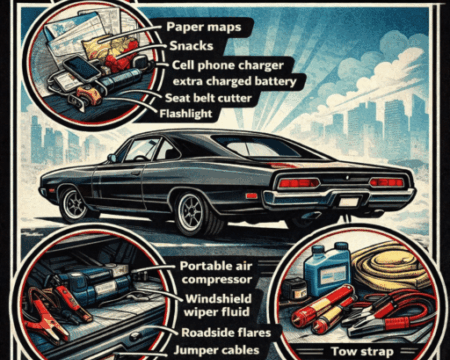
Build a Small Roadside Kit
A flashlight, basic first-aid supplies, charging cable, tire-pressure
gauge and other practical emergency items can make a bad day easier.
Set Up Your New Ride
Need a Few Car Essentials?
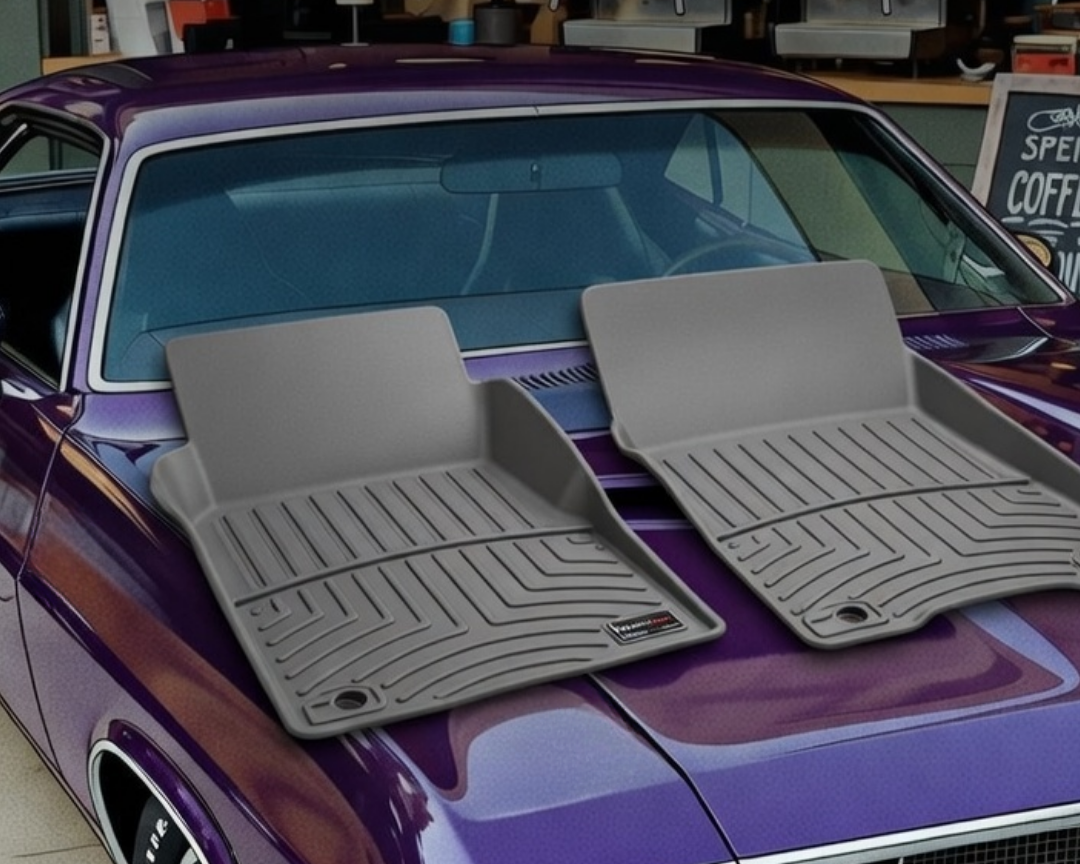
Once the paperwork and maintenance basics are handled, you may want
to add practical items such as a phone charger, floor mats, emergency
gear, cleaning supplies or other accessories that fit the way you use
your vehicle.
Get the paperwork handled, learn the vehicle, establish your
maintenance starting point—and then get out there and enjoy the
reason you bought it in the first place.