Sticker Shock: How Inflation Is Revving Up the Cost of Car Ownership in 2025
🚗 Inflation Isn’t Just at the Grocery Store
If you’ve checked gas prices lately, priced out a set of tires, or tried to buy a used truck, you already know — 2025’s inflation has put car ownership into overdrive. Whether you’re daily driving, wrenching on a project, or just weekend cruising, the rising costs of cars, parts, and repairs are burning rubber on everyone’s wallet.
In this post, we break down exactly how inflation is hitting car lovers and drivers — and what you can do to keep your wheels turning without breaking the bank.
🚗 What This Means for the Average Car Owner
Inflation in 2025 is doing more than making milk and eggs cost more — it’s reshaping how Americans own, maintain, and enjoy their cars.
Let’s break it down:
💥 1. Cars Cost More to Buy — New or Used
-
New cars are up 20–30% compared to 2020–2022. Automakers are producing fewer lower-cost models, and even entry-level cars often exceed $30,000.
-
Used cars remain inflated because demand is still high, and supply hasn’t caught up.
-
Even 8–10-year-old vehicles with over 100K miles are commanding premium prices. Why? People are holding onto cars longer, and new inventory isn’t hitting lots fast enough.
🧾 Example:
-
A used 2014 Toyota Corolla with 120,000 miles can still list for $12,000–$14,000.
-
A new 2025 Honda CR-V, once under $30K, now averages over $38,000 with interest.
🧰 2. Car Maintenance & Repairs Are No Longer “Cheap”
-
Parts prices are up 15–50%, depending on whether they’re OEM or aftermarket.
-
Labor costs at repair shops are rising due to mechanic shortages and shop overhead.
-
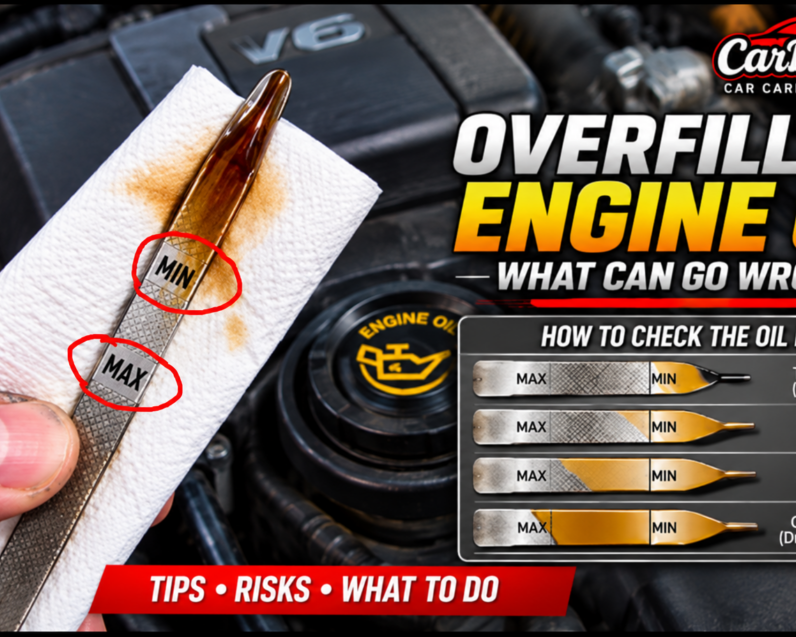
Even DIY jobs are expensive. Oil, filters, and spark plugs aren’t immune to inflation.
🛠️ Example:
-
Brake pad + rotor job on a 2018 F-150 used to be ~$350. Now it’s $500–$600+
-
A timing belt replacement that was once $800 may now run $1,200–$1,500
⛽ 3. Gas Prices Swing Wildly
While gas may dip temporarily, it’s still volatile:
-
Many areas see $4.50–$5.00+ per gallon
-
Diesel drivers, truckers, and performance car owners are hit especially hard
-
Fuel economy has become a deciding factor in car buying decisions
📈 Example:
-
Filling up a 25-gallon truck tank now costs $110+ in many regions.
🛞 4. Tires, Fluids & Accessories? Nothing’s Cheap Anymore
-
Rubber and shipping costs are up → tires cost 20–30% more.
-
Accessories like LED headlights, wiper blades, filters, and mats all carry higher price tags due to import tariffs and logistics inflation.
-
Even car washes and detailing services are up in price.
🛞 Example:
-
A set of Michelin Defender all-seasons:
-
2021 price: ~$675
-
2025 price: ~$875–$950
-
💳 5. Insurance & Registration Fees Quietly Climb
-
With repairs costing more, insurance claims are more expensive, so premiums are rising.
-
Older vehicles used to be cheaper to insure, but high parts costs changed that.
-
DMV fees have increased in some states — a hidden inflationary tax.
📉 Example:
-
Average full coverage insurance in the U.S. (2023): ~$1,700/year
-
In 2025? Now pushing $2,100–$2,400/year in many urban areas
🔧 Why This All Matters:
Owning a car used to mean freedom. Now, it feels like a financial burden unless you plan smartly. These inflation-driven changes mean every car-related decision — from purchase to oil change — must be weighed more carefully.
💡 What You Can Do:
-
Shop around online for parts using trusted discount links (like CarDudes.net)
-
Use cashback apps and loyalty rewards at auto parts stores
-
Maintain your car regularly to avoid major, preventable repairs
-
Drive smarter — bundle errands, avoid aggressive driving, and use fuel treatments
-
Explore insurance comparison tools and re-quote every 6–12 months
-
Delay big car purchases if possible — especially if financing is steep
🏁 Bottom Line:
Inflation is now under the hood, in your tires, at the pump, and inside your insurance premium. It’s not just your grocery cart — it’s your garage too. But with the right strategy, knowledge, and timing, you can still enjoy car life in 2025 without busting your budget.
🏷️ New & Used Car Prices: A Price Tag Punch in the Gut
New vehicles are up 20–30% compared to just a few years ago. Why?
-
Supply chain delays on chips and materials
-
Increased labor & manufacturing costs
-
High-interest rates raising monthly payments
Used cars, once the go-to for budget buyers, aren’t much better. Models like the Ford F-150, Honda Civic, and Chevy Silverado are holding ridiculously high resale values due to low inventory and high demand.
🔎 Trending Search Term: Why are used car prices still high in 2025?
👉 Looking for deals? Compare affordable car buying options here.
👉 Get pre-approved loan quotes now (Affiliate Widget)
🔧 Parts & Repairs: From DIY to OUCH
Inflation has jacked up prices on everything from alternators to spark plugs.
-
Imported parts cost more due to shipping and tariffs
-
OEM parts face backlogs
-
Labor costs are up due to mechanic shortages
Even DIY fixes now come with sticker shock. That $300 brake job? It’s $500+ now.
🧰 Recommended Gear (Affiliate Links):
🛠️ TIP: Order early. Shop online. Use bundle deals.
🔧 Parts & Repairs: From DIY to OUCH
🧨 Why Repair Costs Are Blowing Up
Inflation hasn’t just jacked up the sticker price of cars — it’s made owning and fixing them a financial challenge. Whether you’re a seasoned DIYer or rely on your local mechanic, repair costs in 2025 are higher across the board — and the pressure is real.
Let’s dig into why it’s happening and what you can do about it.
📦 1. Parts Prices Are Skyrocketing
There’s no escaping it: the cost of replacement parts has surged since 2022.
-
OEM (Original Equipment Manufacturer) parts — often required for warranty or performance — have seen increases of 15% to 40%.
-
Aftermarket parts, once a cheaper alternative, are no longer as affordable due to:
-
Global shipping delays
-
Higher import tariffs
-
Increased raw material prices (steel, rubber, copper, aluminum)
-
-
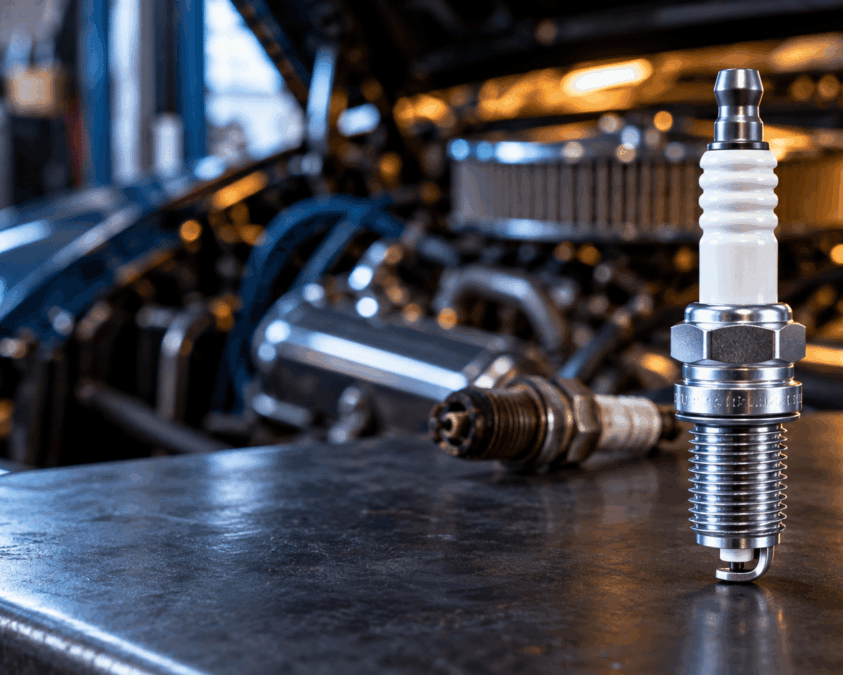
Even basic parts like belts, filters, and spark plug wires are hitting new highs.
🔎 SEO Insight: Searches for “cheap car parts online 2025” and “why are auto parts so expensive?” are trending.
📉 Real Example:
-
ACDelco spark plug set (4-pack):
-
2022: ~$18
-
2025: ~$32–$40
-
-
Radiators / Alternators / Coils:
-
Up 25–35%, especially for imports and older model vehicles.
-
🔧 This hits car owners twice — first in part costs, and again when the car is off the road waiting for backordered items.
🛠️ 2. Labor Shortages = Higher Repair Bills
Repair shops aren’t just more expensive — they’re harder to schedule.
-
America faces a serious shortage of certified automotive technicians. Many are retiring, and fewer students are entering the trade.
-
High demand + low supply = labor rates have surged.
-
Independent shops: $120–$160/hr
-
Dealerships: $170–$200+/hr
-
🔧 Even basic jobs now cost more — not because they’re harder, but because time is money.
📉 Real Example:
Serpentine Belt Replacement
-
2022: ~$90 labor
-
2025: ~$160–$200 labor
A job that takes 45 minutes is now an afternoon and a wallet-burner.
🔩 3. DIY Repairs Aren’t Immune
DIYers are resourceful — but inflation didn’t skip them either:
-
Motor oil (5-qt jug):
-
Now $32–$40 (was $22–$28)
-
-
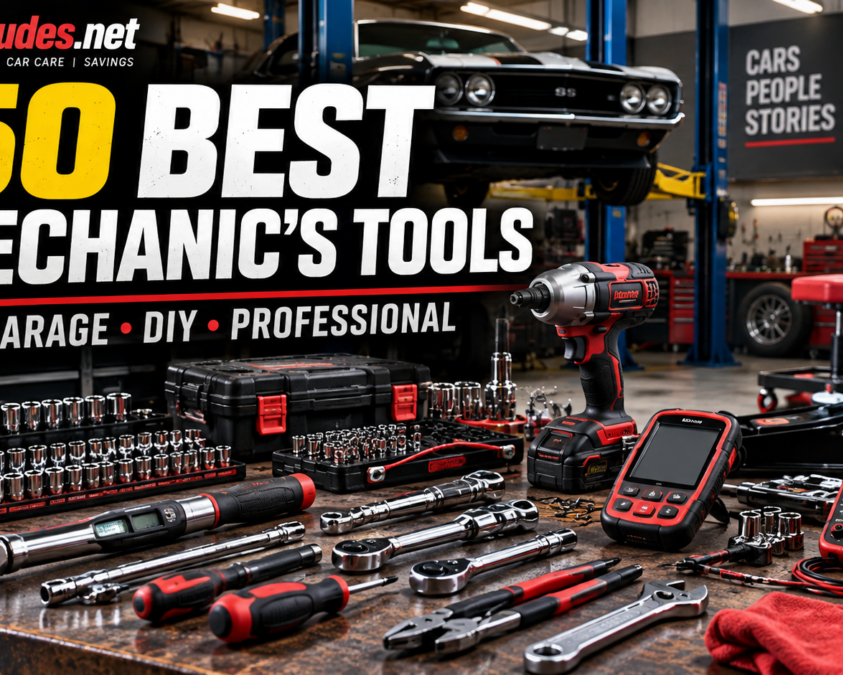
Scan tools & torque wrenches are up 20–30%
-
Shipping costs for online orders are rising
-
Popular parts often go backordered, even from major suppliers
Also, auto part stores are tightening up on returns, making experimentation costlier.
⚠️ And while YouTube still helps, the cost of doing it yourself has caught up with the times.
💡 Smart Ways to Save in 2025
Here’s how budget-conscious car lovers are still winning:
✅ Buy Online with Loyalty Programs
-
Use trusted affiliates like Amazon, RockAuto, or Advance Auto
-
Join their rewards programs — many offer 5–15% cashback
✅ Bundle Your Parts
-
Get full brake kits instead of buying pads & rotors separately
-
Oil change kits, tune-up kits, and suspension sets often cost less as a group
✅ Invest in a Basic Tool Set
-
A one-time tool purchase can save hundreds per year
-
YouTube + a $40 OBD2 scanner = your new best friend
✅ Keep a Preventative Maintenance Schedule
-
Changing your transmission fluid or rotating tires at the right time can avoid $2,000+ repairs later
🧰 Recommended Gear (Affiliate-Optimized List):
🧠 DIY Tip of the Year
“Fix what’s wearing, not what’s broken. Staying ahead of the problem saves time, money, and headaches.”
Make time to inspect your belts, filters, fluids, and tires monthly — before they become repair emergencies.
🔥 Real-World Impact
-
The average repair bill in 2025 is now $600–$950 for older vehicles
-
Even budget models like Civics or Corollas aren’t immune
-
DIYers are relying heavily on Amazon Prime shipping + YouTube walkthroughs to save money and time
And let’s not forget — cars are increasingly complex. Even changing a headlight bulb now requires removing a bumper on some models. Knowledge is power (and savings).
🏁 Bottom Line
The golden age of $20 fixes is over — at least for now. But car lovers and savvy drivers can still beat the system with early maintenance, smart shopping, and online DIY resources.
🛒 Need trusted tools and parts?
👉 Shop our curated picks at CarDudes.net – Save money, drive smarter, and keep the passion alive.
⛽ Gas Prices: Still Flammable in 2025
In some areas, gas is pushing $5 per gallon again. Diesel? Even worse.
Why?
-
Global oil instability
-
Local refinery shutdowns
-
Summer-blend fuel pricing
💡 Pro tip: Use fuel system cleaners to boost MPG and performance.
✅ Try this: ACDelco Fuel Injector Cleaner – Amazon
⛽ Gas Prices: Still Flammable in 2025
💥 Why the Pain at the Pump Just Won’t Go Away
If you thought gas prices would settle down in 2025, think again. For many drivers, fuel costs have become one of the most unpredictable and frustrating expenses of car ownership.
While prices fluctuate by region, inflation, global instability, and local policy changes are keeping fuel volatile — and expensive.
🌍 1. Global Factors Still Dominate
Gas prices are largely set by global oil markets. In 2025, the same problems continue to drive costs up:
-
Geopolitical instability (in the Middle East, Russia, and other oil-producing nations)
-
OPEC+ production cuts meant to raise barrel prices
-
Climate-related disasters that disrupt oil refining and transport
-
Weak U.S. dollar = more expensive crude imports
📊 Average U.S. Gas Price (July 2025):
Regular Unleaded: $4.60/gal
Diesel: $5.29/gal
That’s up nearly 30% from two years ago.
🏭 2. Domestic Supply Issues Compound the Problem
Even within the U.S., supply chain fragility is pushing prices higher:
-
Refinery shutdowns in California, Texas, and Louisiana due to extreme weather
-
Seasonal blend switches (especially in summer months) increase costs per gallon
-
Fuel taxes continue to climb in many states to cover infrastructure budgets
🔥 California, New York, and Illinois are routinely over $5.00/gal — and some metro areas hit $6.00+.
🚛 3. Diesel Drivers Feel It Worse
Diesel isn’t just for truckers — it’s in millions of pickups, delivery vans, and SUVs. And diesel has skyrocketed due to:
-
Increased demand from logistics & freight
-
Higher refining costs
-
Lower domestic production
📉 Result: Trucking companies pass the cost onto consumers… and you feel it when you buy goods and fill up.
🚗 4. Big Engine Owners Get Hit the Hardest
Drivers of V8 muscle cars, work trucks, off-road rigs, and older classics are feeling it more than most:
-
Low MPG = more fill-ups
-
High performance = premium fuel
-
Short trips + idling wastes even more gas
Even a 25-mile commute in a 12-MPG truck now feels like a luxury for some.
💡 Smart Fuel-Saving Strategies in 2025
✅ Use Fuel Apps
-
GasBuddy, Upside, and Waze can help you find the cheapest fuel nearby — sometimes saving up to 40–60 cents/gal
✅ Keep Tires Properly Inflated
-
Underinflated tires can reduce fuel economy by 3% or more
-
Use a digital tire pressure gauge every 2 weeks
✅ Use Fuel Treatments
-
Products like fuel injector cleaners or octane boosters can increase mileage and restore lost performance
✅ Avoid Aggressive Driving
-
Speeding and hard acceleration can drop MPG by up to 33% on highways
✅ Drive Less & Plan Routes
-
Combine errands, avoid traffic times, and drive during cooler parts of the day when engines run more efficiently
🛠️ Fuel-Saving Tools (Affiliate Picks):
🔥 Real-World Impact
-
Drivers in rural areas who commute long distances are paying $100–$160 per week just in fuel
-
Food delivery drivers and Uber/Lyft workers are watching profit margins shrink
-
Classic car hobbyists are driving less or trailering cars to events to avoid burnouts — at the pump
🏁 Bottom Line
Fuel is no longer a predictable monthly cost — it’s a moving target. In 2025, even conservative drivers are reworking budgets around gas prices.
But by staying proactive and using fuel-saving products, you can regain control of one of your biggest ongoing car expenses.
🛒 Looking for smart gear to stretch your MPG?
👉 Browse our favorite fuel-saving tools & additives at CarDudes.net
🛞 Tires & Accessories: Rolling Costs Keep Climbing
Tires, rubber, shipping — all up big-time.
-
A $600 tire set in 2022? Now $850+
-
Performance tires? $1,200 isn’t uncommon
-
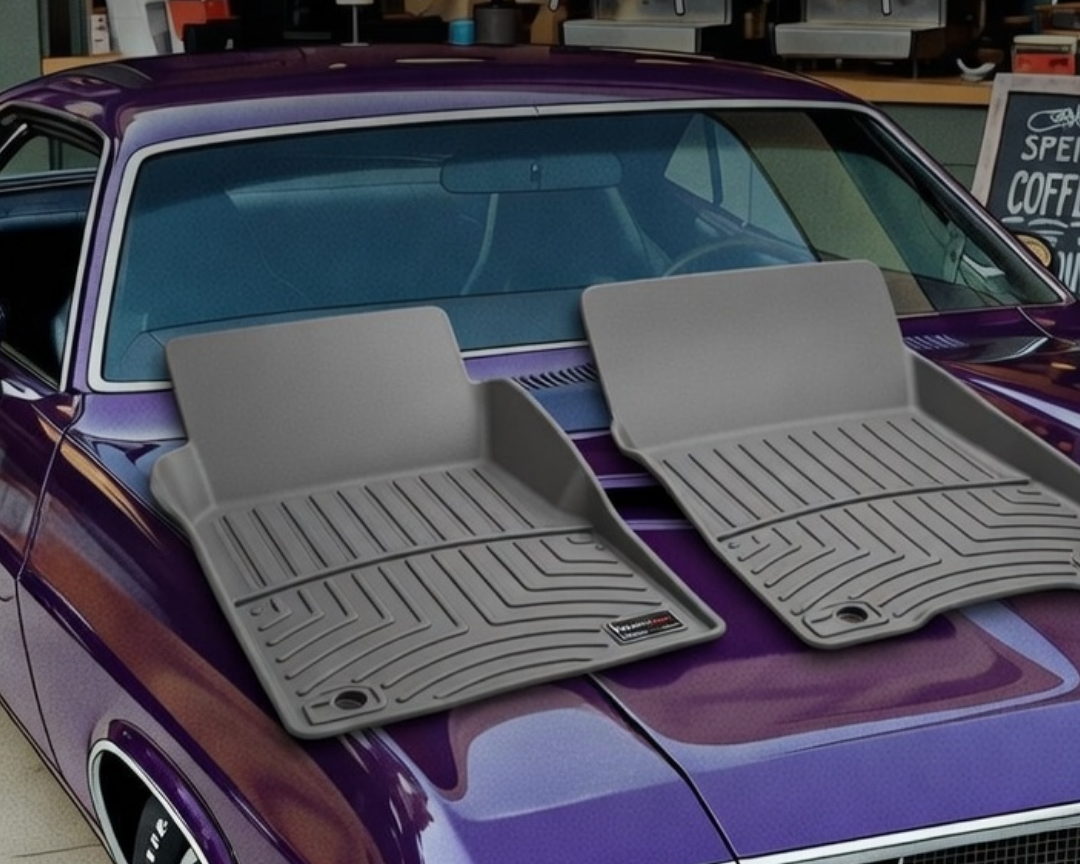
Even floor mats, wipers, and bulbs are creeping up
Affordable Accessories to Fight Back (Affiliate):
🔧 Maintain tire pressure and rotate often to extend tire life.
🛞 Tires & Accessories: Rolling Costs Keep Climbing
📈 Why Tires and Accessories Are Getting So Expensive in 2025
Once considered basic upkeep, tires and accessories are now major budget items for most drivers. Inflation, material shortages, and shipping delays have all contributed to significant price increases across the board — even for low-end or mid-grade products.
🌐 1. Tire Costs Are Spinning Out of Control
The rubber hits your wallet before it hits the road.
-
Natural rubber and synthetic compounds are more expensive due to supply chain bottlenecks and global production issues.
-
Steel belts, nylon plies, and raw materials used in tire manufacturing have risen 20–40% in cost.
-
Shipping & freight fees — especially from Asia and Europe — are drastically higher than pre-pandemic levels.
📊 Average 4-Tire Replacement Costs (2025):
-
Economy sedans: $700–$850
-
SUVs and light trucks: $950–$1,200+
-
Performance tires: $1,300–$1,800+
Even base-model all-season tires now hit $150–$200 per tire.
📦 2. Accessories Are No Longer “Cheap Add-Ons”
Simple upgrades like floor mats, wiper blades, and LED bulbs have become mini-investments.
Why?
-
Import tariffs, especially on Chinese-manufactured accessories
-
High demand for convenience tech (like dash cams, phone mounts, and wireless chargers)
-
Raw plastic & electronic components are pricier to produce and ship
🧾 Real Example:
-
Basic 2-row floor mat set (WeatherTech style):
-
2022: ~$80
-
2025: ~$135
-
-
LED headlight conversion kit:
-
2022: ~$60
-
2025: ~$110–$140
-
🔧 3. Hidden Costs That Add Up
It’s not just the products — it’s the install and upkeep:
-
Mounting & balancing fees are up (typically $25–$40 per tire)
-
TPMS (Tire Pressure Monitoring System) resets can cost $20–$50
-
Valve stem replacements and tire disposal fees are often unadvertised
⚠️ Combine these with tire prices, and your next visit could total $1,000+ easily.
💡 Smart Tips to Stretch Tire Life & Save on Accessories
✅ Maintain Correct Tire Pressure
-
Underinflation wears tires faster and kills MPG
-
Use a digital gauge every 2 weeks
✅ Rotate Tires Every 5,000–7,000 Miles
-
Keeps tread wear even and extends tire life
✅ Shop Tire Bundles Online
-
Look for sets with free shipping and included install packages
✅ Buy Accessories in Kits
-
Multi-pack LED bulbs, floor mats, and detailing tools often cost less together than individually
✅ Use Cashback or Coupon Sites
-
Retailers like Tire Rack, Amazon, and AutoAnything frequently offer rebates or % off
🧰 Recommended Gear (Affiliate Links):
🔥 Real-World Impact
-
Gig workers (Uber, Lyft, delivery drivers) are replacing tires more frequently due to mileage — and feeling the squeeze
-
DIY detailers are slowing down on upgrades because every accessory now feels like a luxury
-
Off-road and classic car owners are paying 30–50% more to keep their wheels road-ready
🏁 Bottom Line
Tires and accessories may seem like “minor” expenses, but in 2025 they’re anything but. Between rising material costs and increased shipping fees, even small upgrades now require planning, timing, and shopping around.
🛒 Looking for top-rated tire tools, mats, lights & upgrades?
👉 Shop the gear we trust at CarDudes.net
💰 Insurance & Registration: Hidden Wallet Hits
Insurance premiums are up thanks to:
-
Higher repair costs
-
More extreme weather claims
-
Increased accident rates
Even states are quietly raising DMV registration and plate renewal fees.
👉 Compare insurance quotes fast here (Affiliate Link)
💰 Insurance & Registration: Hidden Wallet Hits
🧾 Why the “Extras” Are Starting to Feel Like a Second Car Payment
When people think of rising car costs, they usually think of the vehicle itself or the gas pump. But in 2025, insurance premiums and registration fees are quietly draining wallets — even if your car is paid off.
These “mandatory” costs have climbed steadily due to inflation, natural disasters, risk factors, and state-level budget strategies.
📈 1. Auto Insurance Premiums Are Up — Way Up
If you’ve seen your car insurance bill jump in the last 12–18 months, you’re not alone. National averages show that car insurance premiums in 2025 are up 18–25% compared to 2023.
Why?
-
Increased repair costs: Higher labor and parts = more expensive claims
-
Vehicle complexity: Sensors, ADAS systems, and cameras are expensive to replace
-
More accidents: Post-pandemic driving habits include more speeding, distracted driving, and reckless behavior
-
Natural disasters: Floods, hail, and fires are destroying more vehicles than ever — insurers pass those losses on to you
📊 Average Annual Premium (2025):
-
Basic liability: ~$1,400
-
Full coverage: $2,200–$2,800+ (depending on location, age, vehicle)
Even if your car is older or fully paid off, rates are rising due to market-wide cost exposure.
🏷️ 2. State Registration Fees Are Quietly Creeping Up
States are feeling the squeeze too — and they’re using DMV fees to close budget gaps.
-
Registration renewals in many states (like California, Colorado, and Illinois) are up 10–30%
-
Vehicle value-based fees have risen sharply in states that use a percentage system
-
Some states are adding EV or hybrid surcharges to offset lost gas tax revenue
📉 Real Example:
-
Colorado standard registration for a 5-year-old vehicle:
-
2021: ~$75–$100
-
2025: ~$110–$150
-
-
EVs in some states now pay $200–$300 annually in added “road use” fees
🚗 3. Specialty & Classic Cars Are Getting Hit Too
Own a collectible, modified, or classic vehicle? Be prepared:
-
Classic car insurance has jumped 10–15% due to rising parts costs and limited specialty repair shops
-
Some states are charging extra to plate and insure modified vehicles or vehicles that exceed emissions limits
-
Multiple-car households are often paying more for bundling in 2025 than they did with separate providers in 2022
💡 How to Save on Insurance & Registration in 2025
✅ Re-quote Your Policy Annually
-
Loyalty doesn’t always pay — switching insurers can save $300–$800+ per year
-
Use free quote tools and price comparison services
✅ Raise Your Deductible (If You Can Afford It)
-
Raising from $500 to $1,000 can lower monthly premiums significantly
✅ Bundle Home + Auto Strategically
-
In 2025, some insurers offer discounts, others don’t — always compare total cost, not just discount %
✅ Look Into Usage-Based Insurance
-
Pay-per-mile plans are growing and can be perfect for people with second cars or classic vehicles
✅ Take Advantage of Discounts
-
Good driver, low mileage, veteran, multi-vehicle, and autopay discounts still apply — but you may need to request them
✅ Prepay Your Registration
-
Some states offer multi-year discounts — prepaying can protect you from rising rates
🧰 Helpful Tools & Affiliate Resources:
🔥 Real-World Impact
-
Drivers of new SUVs and EVs are paying as much as $300–$500/month combined for insurance + fees
-
First-time buyers are being blindsided by total out-the-door ownership costs
-
Even budget-minded drivers are looking to downsize vehicles or drop full coverage just to stay afloat
🏁 Bottom Line
You can’t legally skip insurance or registration — but you can avoid overpaying. With rising rates and hidden surcharges becoming the new normal, smart drivers are reviewing their policies and fees every single year to stay ahead.
🛒 Want to compare insurance, check DMV fees, or shop money-saving driving tools?
👉 Explore our recommended savings resources at CarDudes.net
🧠 5 Smart Ways to Beat Inflation at the Wheel
-
Shop car parts online using trusted affiliate sites
-
Use gas-saving apps like GasBuddy
-
Perform regular maintenance to avoid big repairs
-
Compare insurance providers annually
-
Delay big vehicle purchases until prices cool off
🏁 Final Lap: Inflation Hurts, But Car Life Rolls On
Inflation might be flooring the cost of ownership, but with the right tools, tips, and parts, you can keep driving without draining your wallet.
🛒 Shop now at CarDudes.net for:
-
Trusted Car Gear & Accessories
-
Affiliate Deals on Amazon Auto Parts
-
Car Care Hacks & Newsletters
📬 Join our newsletter for parts discounts, gas-saving tips, and repair guides.
📲 Follow @CarDudes.net on Facebook & Pinterest for updates!
🧠 5 Smart Ways to Beat Inflation at the Wheel
🚗 You Don’t Have to Park Your Dreams — Just Drive Smarter
Inflation might be driving costs through the roof, but that doesn’t mean you have to give up on your ride. Whether you’re commuting daily, wrenching on a classic, or just trying to stretch your paycheck, these smart strategies can help you fight back and stay on the road without going broke.
✅ 1. Shop Car Parts Online — Never Pay Retail
Auto parts at brick-and-mortar stores often carry 20–50% markups. By shopping online, you gain:
-
Access to nationwide inventory (hard-to-find parts included)
-
Loyalty discounts, coupon codes, and rebates
-
Lower overhead costs passed on to you
🧰 Use trusted sources like:
📦 Bonus Tip: Buy in bulk when you can (oil, filters, spark plugs) — it saves money and future hassle.
✅ 2. Use Fuel-Saving Tools & Apps
Gas prices may spike, but you can still stretch every gallon with smart driving and the right tools:
-
Use GasBuddy or Upside to find the lowest price near you
-
Keep tires properly inflated with a digital gauge
-
Use fuel system cleaners monthly to maintain mileage and performance
-
Drive smooth — avoid heavy acceleration, excessive idling, and stop-and-go traffic when possible
⛽ Recommended Products:
✅ 3. Stay on Top of Maintenance
Small problems left unfixed turn into massive, wallet-draining breakdowns. Preventative maintenance = long-term savings.
-
Change oil, air filters, and fluids on schedule
-
Rotate tires every 5,000–7,000 miles
-
Scan your engine codes at home with a basic OBD2 reader
-
Listen for signs — squeaks, leaks, and clicks are warning signals
🔧 Helpful Tool:
✅ 4. Requote Your Insurance Every 12 Months
Loyalty to your insurance provider won’t always save you money.
-
Use free comparison tools to check quotes
-
Raise your deductible if you have savings to cover it
-
Bundle home + auto, but compare standalone rates too
-
Consider usage-based or pay-per-mile policies
💰 You could save $300–$800/year just by switching or tweaking coverage.
📑 Compare Quotes Here – Trusted Insurance Tool
✅ 5. Delay Big Purchases (If You Can)
If your current vehicle is running fine, it might be wise to wait out the market before buying new:
-
High interest rates = higher monthly payments
-
Used cars are still inflated from pandemic-era shortages
-
Inventory is improving — deals may return by late 2025
📅 TIP: Spend time now maintaining what you have, building your credit, and saving a down payment.
📋 Quick-Access Checklist (Save or Share)
Beat Inflation at the Wheel — 2025 Edition:
✅ Buy parts online
✅ Use gas-saving apps & tools
✅ Stick to a maintenance schedule
✅ Scan codes before hitting the shop
✅ Compare insurance every 12 months
✅ Delay major purchases where possible
✅ Rotate tires + check air pressure often
✅ Use bundles, rebates & coupon codes
✅ Learn 1 new DIY skill per month
✅ Follow @CarDudes.net for money-saving tips & tools
🏁 Final Thoughts: Inflation Can’t Stop Car Passion
Owning a car in 2025 is more expensive — no doubt. But with smart strategy, DIY know-how, and the right online tools, you can keep your wheels turning without burning cash.
💡 The more you know, the more you save.
💬 Bookmark this post. Share it. And help others fight back on four wheels.
🛒 Shop trusted gear, find discounts, and save more at:
👉 www.CarDudes.net
🔍 SEO Keywords Included:
-
how inflation affects car owners
-
car part prices 2025
-
gas prices trend USA
-
affordable car maintenance tips
-
best tire deals online
-
used car prices 2025
-
fuel-saving car accessories