Car Theft Insurance: What Does It Cover If Your Car Is Stolen?
Your car disappears from the driveway or parking lot. Now what? Here’s how theft coverage works, what you may be paid and the steps to take immediately.
Yes — if your policy includes comprehensive coverage. Comprehensive insurance generally covers theft and other losses to your vehicle that aren't caused by a collision, such as vandalism, fire, hail, flooding and falling objects.
Liability insurance by itself generally does not pay to replace your own stolen vehicle. Collision coverage is designed for damage caused by crashes and collisions, not the theft of the entire vehicle.
Comprehensive
Generally covers vehicle theft, vandalism and many types of non-collision damage, subject to your policy terms and deductible.
Collision
Generally covers damage to your vehicle caused by a collision with another vehicle or object. It isn't the coverage normally used for a stolen vehicle.
Liability
Primarily protects against covered injuries or property damage you cause to others. It doesn't replace your own car simply because it was stolen.
CarDudes Tip: If you're not sure whether you have comprehensive coverage, check the declarations page of your auto policy or contact your insurer or agent before you need to make a claim.
What Happens If Your Car Is Stolen?
If you have applicable comprehensive coverage, the claim generally goes one of two ways: your vehicle is recovered or it isn't.
Car Isn't Recovered
If the insurer determines the covered vehicle is a total loss, the settlement is generally based on the vehicle's value under the terms of your policy, less the applicable deductible.
Car Is Recovered
If police recover the vehicle with covered theft-related damage, comprehensive coverage may pay for covered repairs after the deductible, subject to the policy and claim determination.
What Is a Deductible?
A deductible is the portion of a covered loss you're responsible for before applicable insurance benefits are paid. Check your policy because deductible amounts and claim terms vary.
How Much Will Insurance Pay for a Stolen Car?
If a stolen vehicle isn't recovered and the claim is covered, the insurer determines the settlement according to the policy. Auto total-loss settlements commonly involve the vehicle's actual cash value, taking into account factors such as its age, mileage, condition, equipment and comparable vehicle values.
Don't assume the amount you originally paid for the car — or the amount you still owe on a loan — is what the insurer will pay.
Before accepting a settlement: Review the insurer's vehicle description carefully. Make sure the mileage, trim level, options and condition information used to value your vehicle are accurate. Ask your insurer how the valuation was determined if something doesn't look right.
What If You Still Owe Money on the Car?
A theft can become more complicated when a vehicle is financed or leased. Your insurance settlement and your outstanding loan balance are two different numbers.
If you owe more than the covered vehicle's settlement value, you could be responsible for the remaining loan balance unless you have applicable gap coverage or another loan/lease protection product.
Where Gap Coverage Can Help
Depending on its terms, gap coverage may help with some or all of the difference between an eligible insurance settlement and the qualifying amount still owed on a financed or leased vehicle.
Gap products vary, so check exclusions, limits and what portion of the loan or lease is eligible. Don't assume every remaining dollar will automatically be covered.
What About Things Inside the Stolen Car?
This is an important distinction. Comprehensive auto coverage protects the insured vehicle against covered theft losses, but you should not assume your personal belongings inside the vehicle are covered by your auto policy.
Personal property such as a laptop, camera, clothing or other belongings may instead fall under homeowners, renters or another applicable insurance policy, depending on the policy terms, limits and deductible.
Best practice: Don't leave valuables visible in a parked vehicle. If belongings are stolen, document what is missing and ask the appropriate insurer which policy, if any, applies.
Your Car Was Stolen — What Should You Do?
Once you're reasonably certain the vehicle wasn't towed, borrowed or moved, act quickly.
Contact the Police
Report the vehicle stolen and provide the make, model, year, color, license plate number, VIN and any distinctive features you know. Keep the report or case number.
Contact Your Insurance Company
Report the theft promptly. Your insurer can explain your coverage, deductible, documentation requirements and the next steps in the claims process.
Gather Your Vehicle Records
Have your registration, title or finance information, VIN, service records and information about factory or permanently installed equipment available if requested.
Notify the Lender or Leasing Company
If the vehicle is financed or leased, tell the lender or leasing company about the theft and insurance claim.
Protect Your Personal Information
If your wallet, house keys, garage remote, registration paperwork or sensitive documents were inside the vehicle, take appropriate steps to secure your accounts and property.
What If You Find Your Stolen Car?
Don't confront anyone or attempt to recover a stolen vehicle yourself. Contact law enforcement and tell them where the vehicle is located.
Also notify your insurer. A recovered vehicle may have body damage, broken glass, damaged locks or ignition components, missing parts, mechanical damage or other problems that aren't immediately visible.
Follow the instructions from police and your insurer before arranging repairs or making major changes to the vehicle.
Simple Ways to Make Your Car Harder to Steal
Insurance helps with the financial consequences of a covered theft, but preventing the theft in the first place is even better.
Lock the doors and close the windows every time you leave the vehicle.
Take your keys and never leave a running vehicle unattended.
Park in visible, well-lit areas whenever possible.
Keep phones, bags, tools and other valuables out of sight.
Consider a visible steering-wheel lock or other theft deterrent.
Use factory security features, alarms or immobilizers when equipped.
Consider a legitimate vehicle tracking or recovery system.
Keep your VIN, license plate and insurance information somewhere accessible outside the vehicle.
Can Anti-Theft Equipment Lower Your Insurance Cost?
Possibly. Discounts and eligibility vary by insurance company, location, vehicle and the type of security equipment installed.
Instead of assuming an alarm, tracker or steering-wheel lock will produce a specific percentage discount, ask your insurer which anti-theft features qualify under your policy.
Why we don't quote a universal discount: Insurance rates and discounts vary substantially by insurer and policy. Get the actual discount information from your insurance company before buying equipment solely to lower your premium.
More CarDudes Ownership & Safety Guides
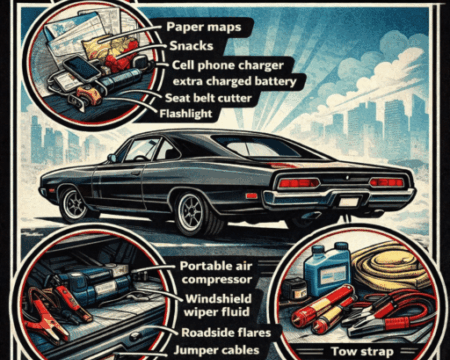
Car Safety Kit
Build a practical roadside safety kit for the problems drivers don't expect.
Important: This article provides general educational information, not insurance or legal advice. Insurance coverage, exclusions, deductibles, valuation methods and claim procedures vary by insurer, policy and state. Review your policy and contact your licensed insurance professional or insurer for information about your specific coverage.
Protect the Car. Protect the Wallet.
CarDudes is about helping everyday drivers take better care of their vehicles, avoid expensive surprises and get more from every mile.